
A TASTE OF EUROPE WITHOUT LEAVING NEW YORK CITY
An afternoon of incredible ingredients, surprising discoveries, and a little friendly competition at Grand Central Terminal.
As a native New Yorker, I've spent decades exploring my city. There's this almost teleportation-like feeling I love about hopping on a train, opening a book, and getting off in a neighborhood that feels like an entirely different part of the world. It's one of my favorite things about New York. You can experience so many different cultures, cuisines, and communities without ever leaving the city.
And then there's Grand Central Terminal.
If you've ever passed through Grand Central, whether you're commuting, transferring trains, or just trying to figure out which direction you're supposed to be walking, you know it's so much more than a train station. It's the beating heart of New York City, where train lines intertwine, bringing people from all over the world together for a brief moment before sending them off in their own unique directions.
There's something rather beautiful about imagining Europe as another traveler passing through Grand Central, bringing along its flavors, traditions, and generations of culinary history to share with New Yorkers.
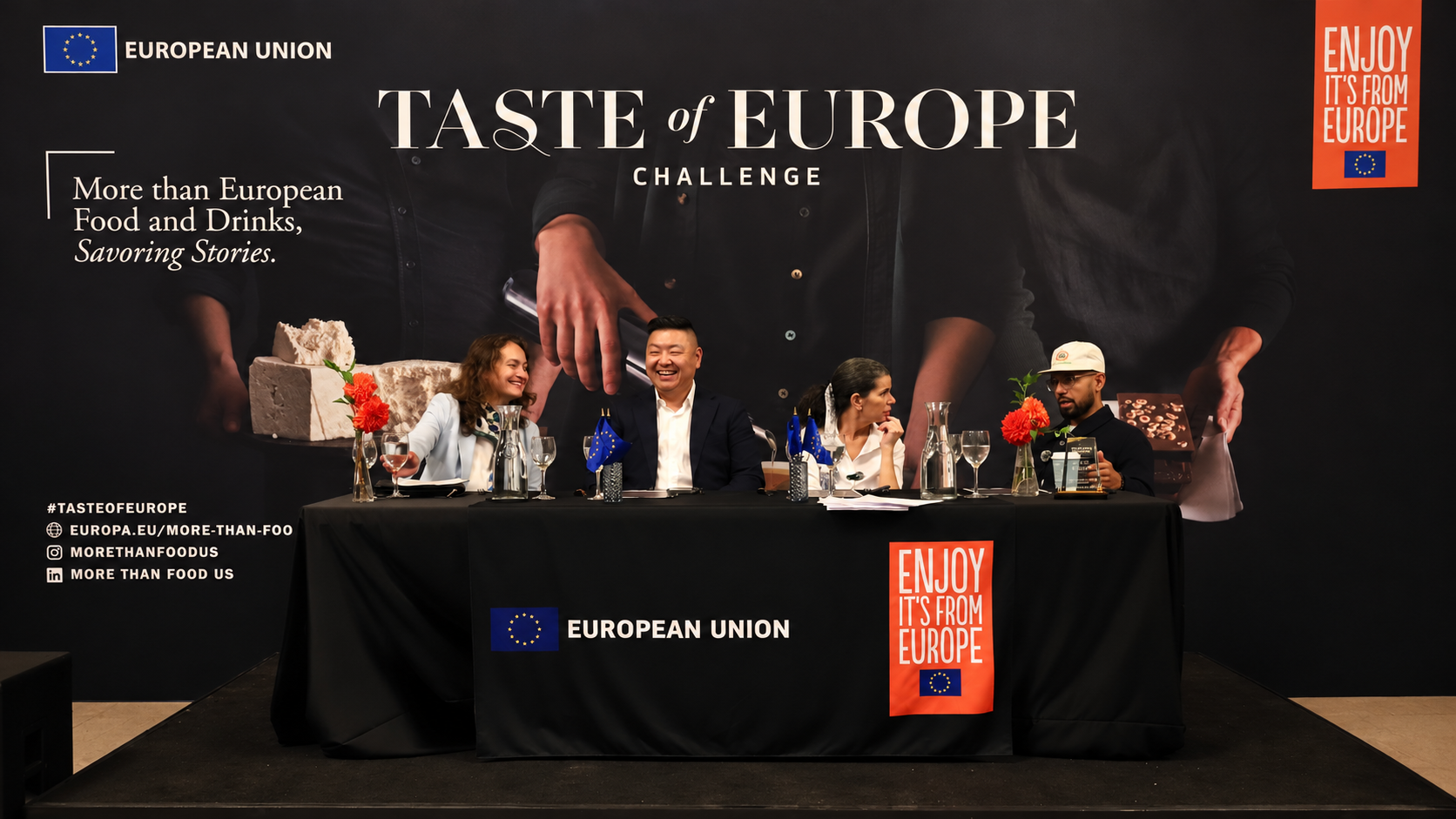
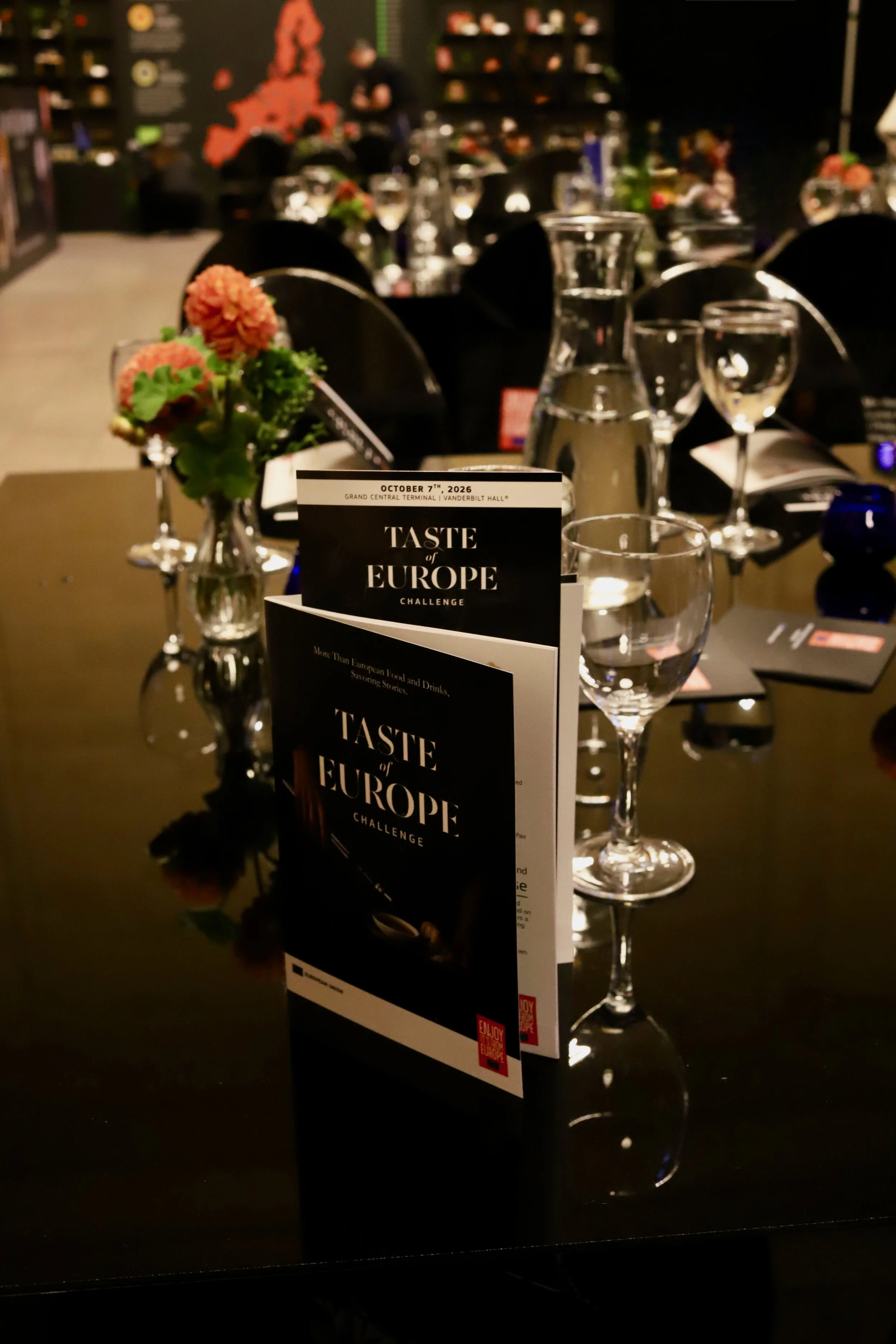
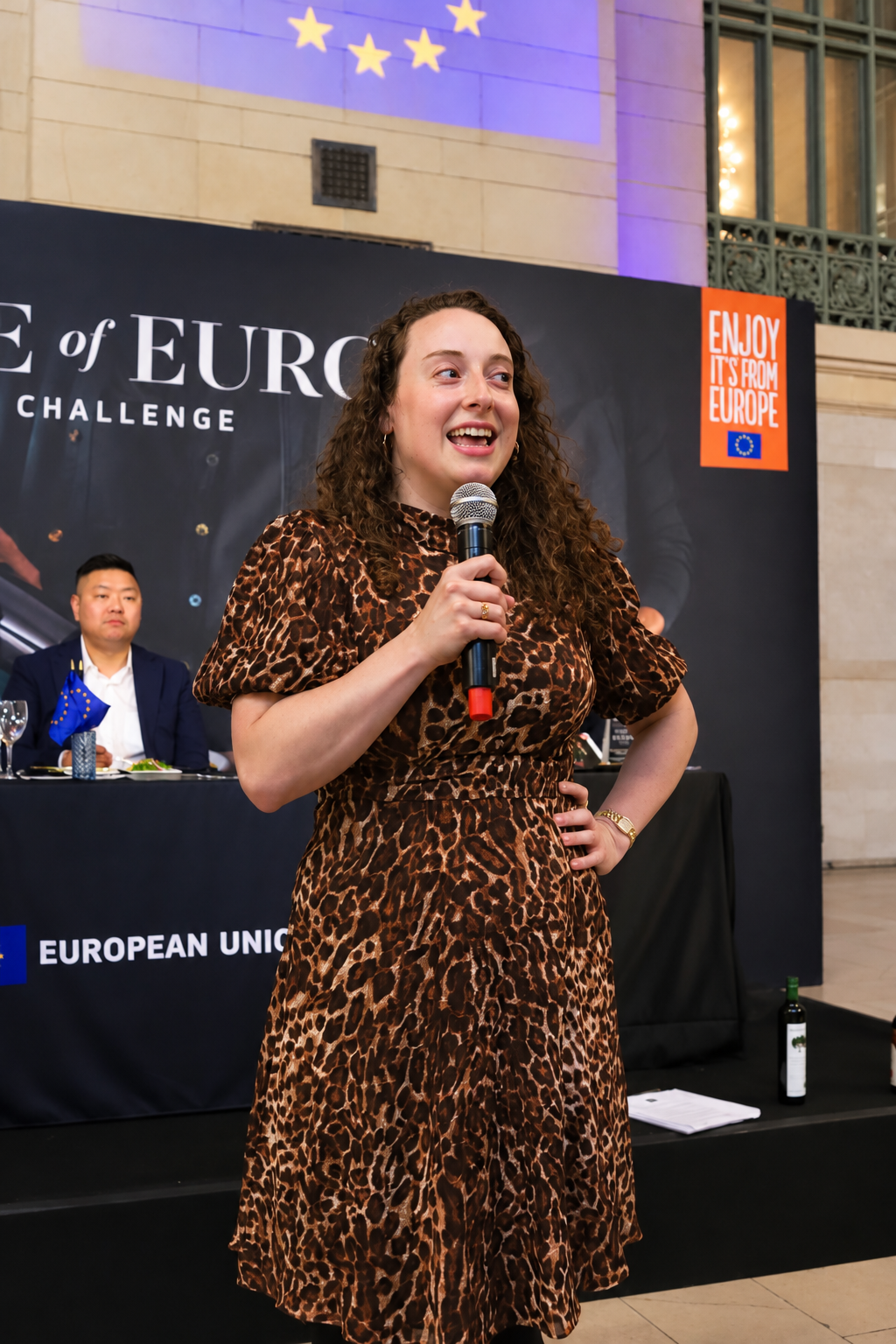
On October 7th, the European Union hosted its Taste of Europe Challenge in Grand Central's Vanderbilt Hall, bringing together incredible European ingredients, the people who know them best, and a little culinary competition.
And I got to be part of it.
This article was sponsored by the European Union.
AN AFTERNOON OF EUROPEAN FLAVORS
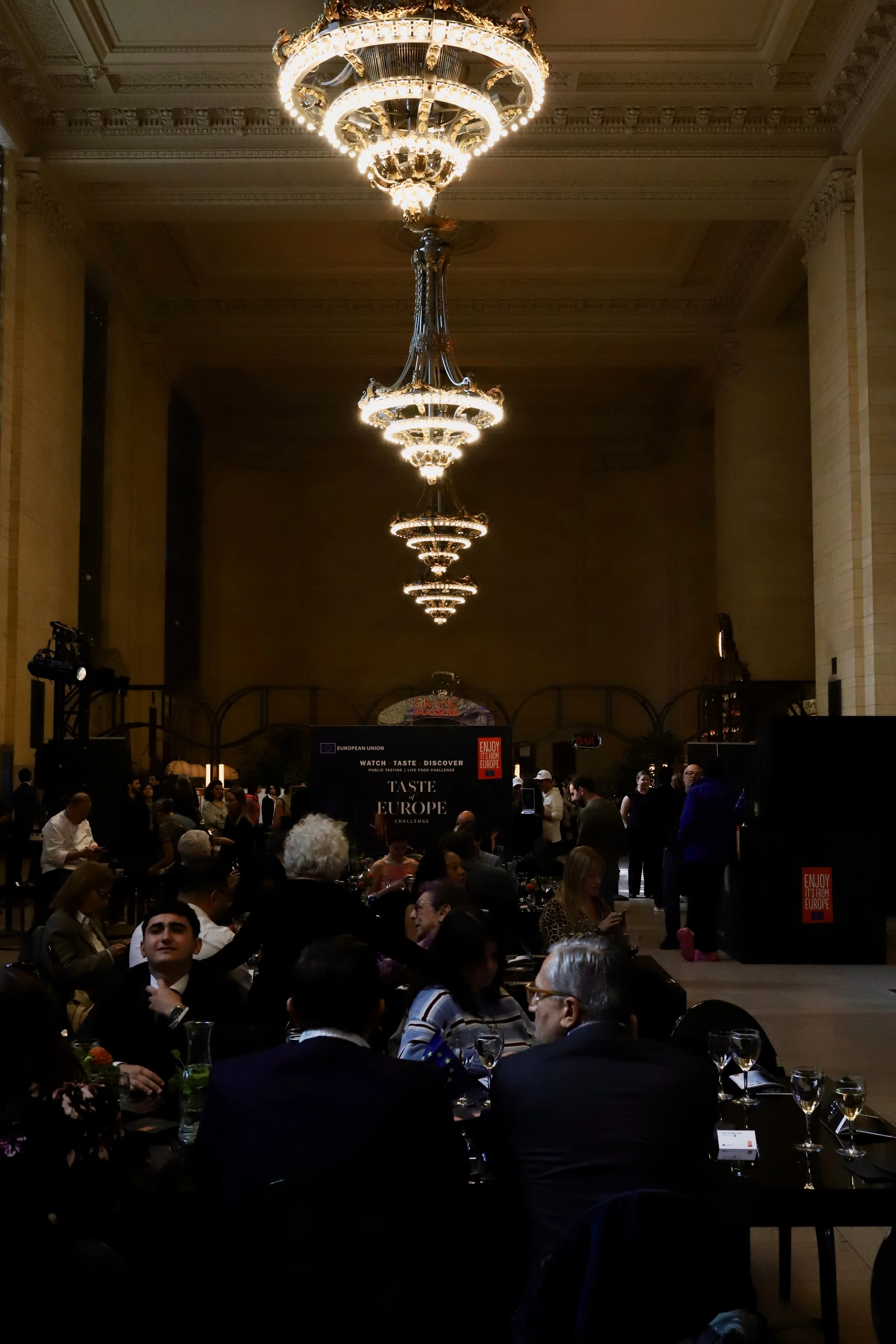
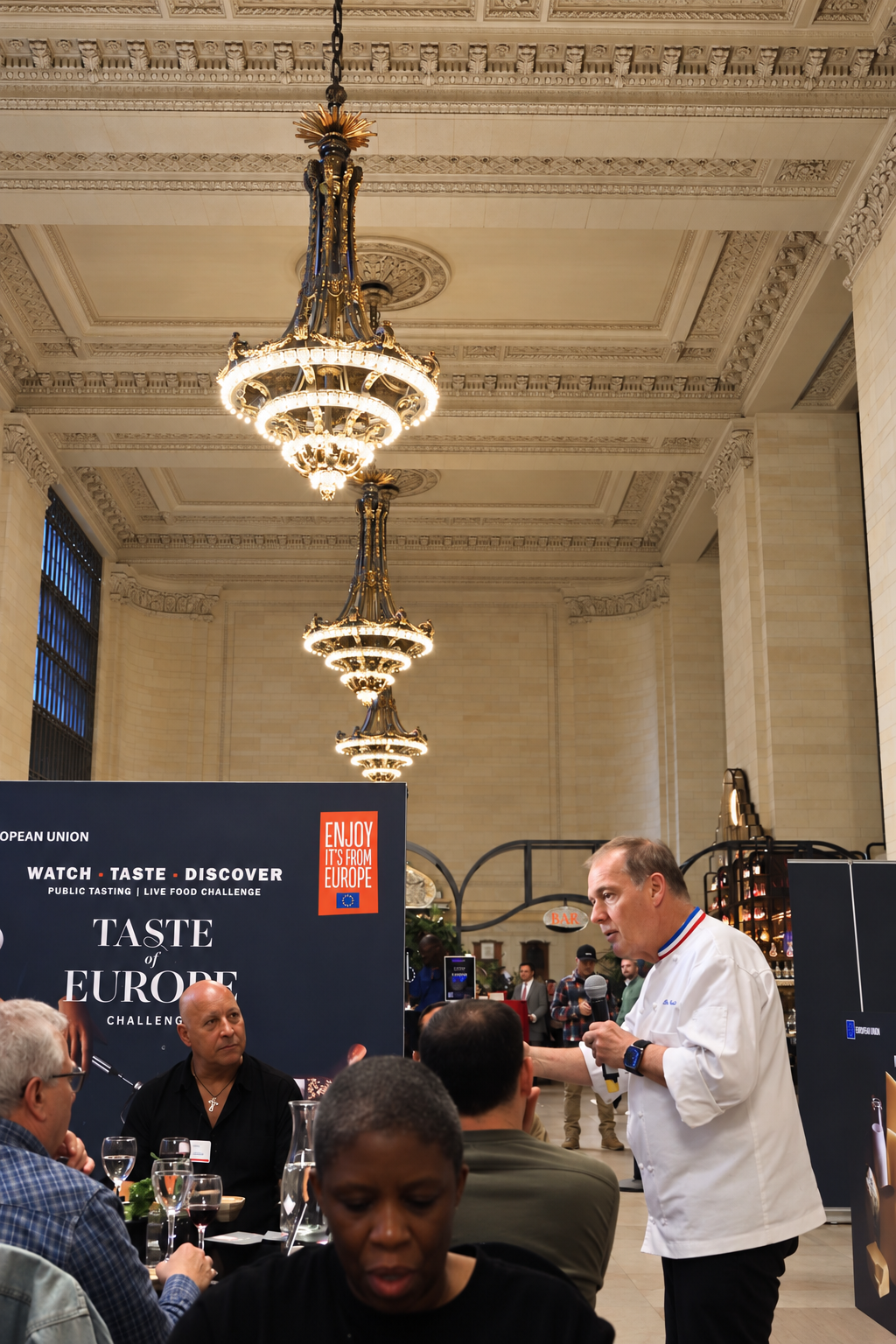
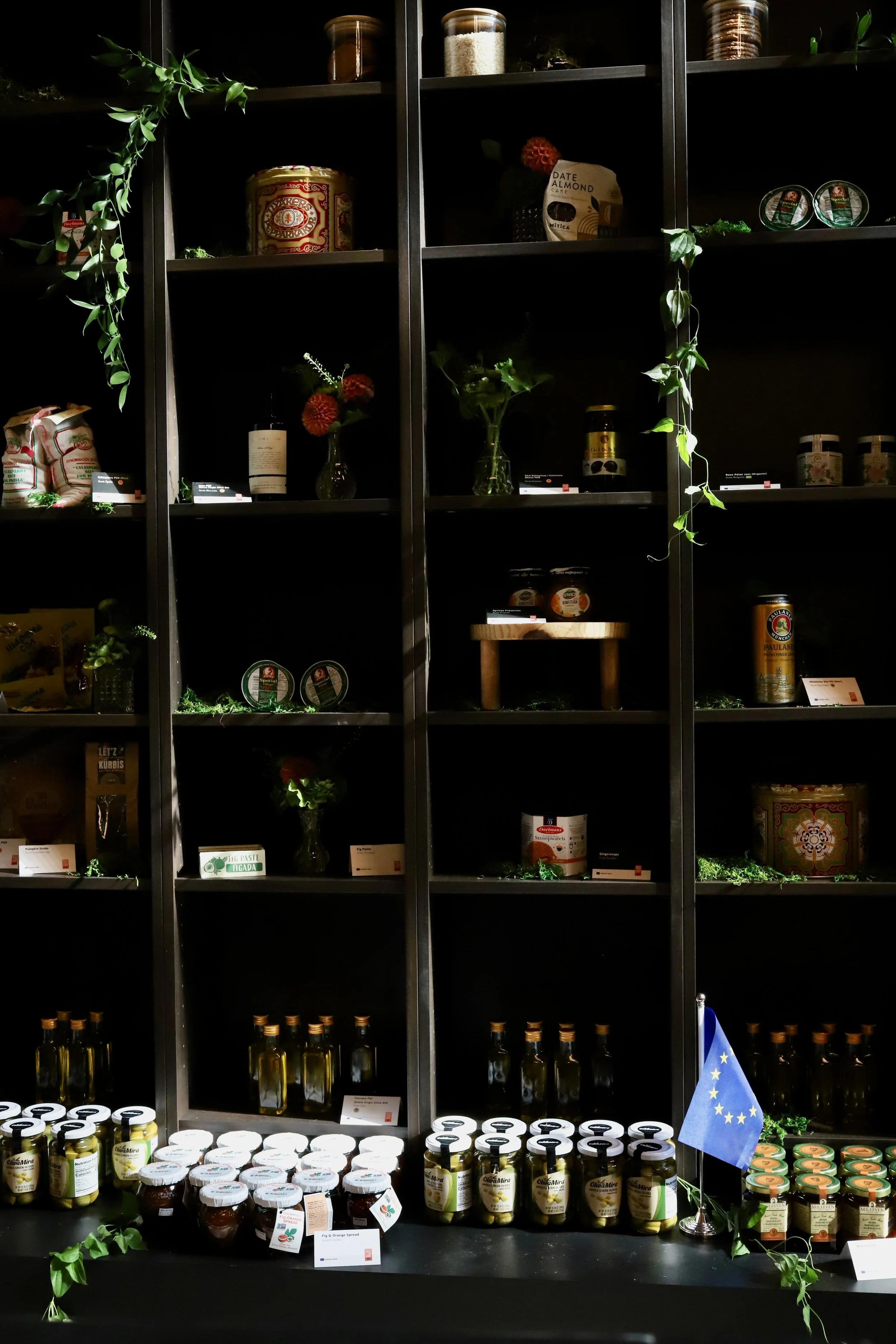
Sitting beneath a row of Grand Central's gorgeous mixed-metal chandeliers, roughly fifty of us gathered for an afternoon of eating, learning, and some pretty entertaining cooking. The event celebrated over 60 European food and drink products representing all 27 EU Member States, highlighting the quality, traditions, sustainability, and authenticity that go into bringing European ingredients to our tables.
Not every event is created equal. And this one set a high bar.
Beautiful venue aside, the afternoon was so thoughtfully orchestrated that there was never a dull moment. This wasn't your ordinary tasting. There was a live cooking competition, a panel of judges, and expert-led culinary education that made every bite a little more interesting. Over the four hours I spent there, something was always happening. I loved it.
The afternoon unfolded through two experiences happening simultaneously.
First, three guided tastings took us on a journey through European cheeses, olive oils, and chocolates. Each was led by an expert who didn't just tell us what we were eating but explained why it tasted the way it did, how it was made, and the often fascinating stories behind its origins.
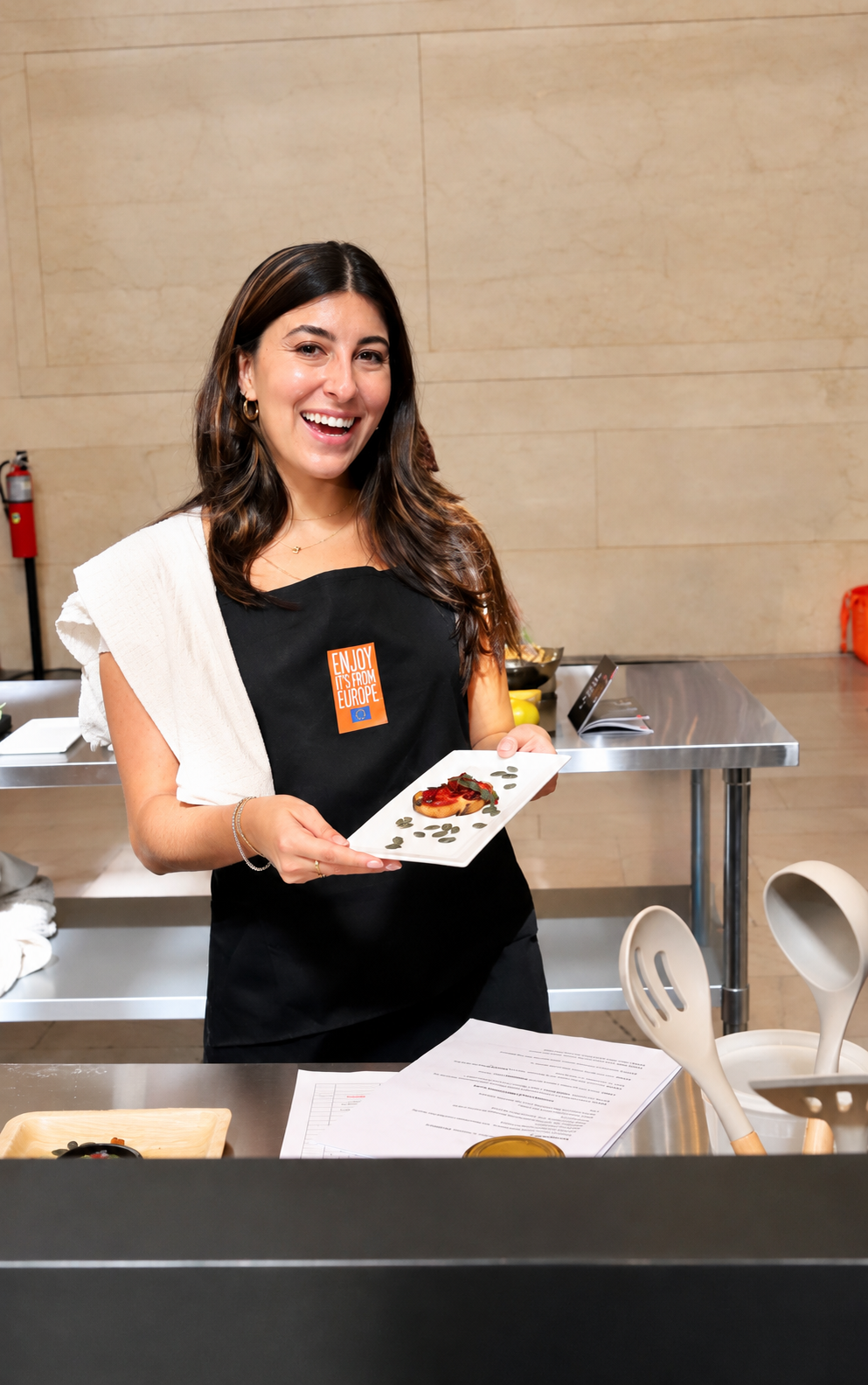
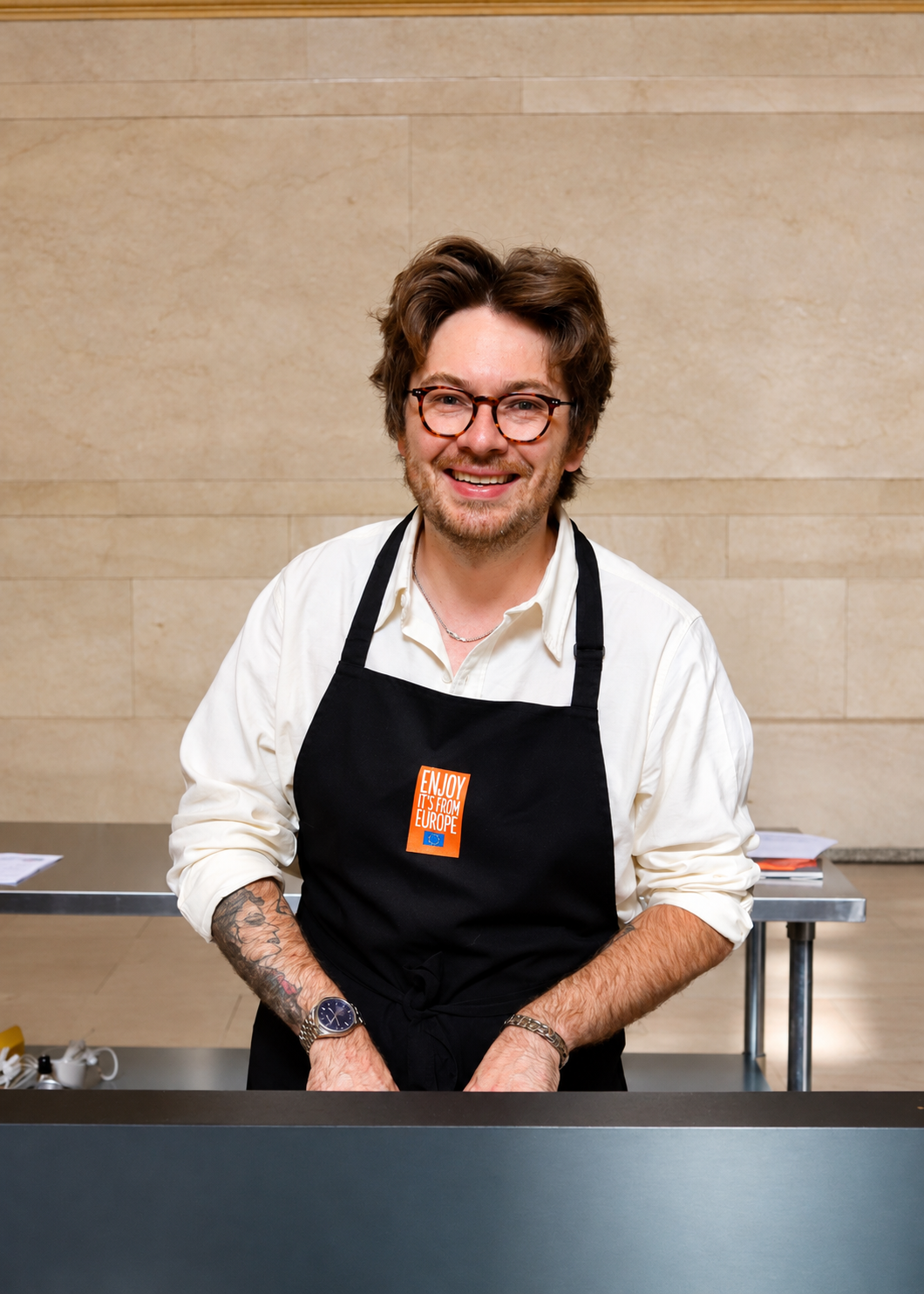
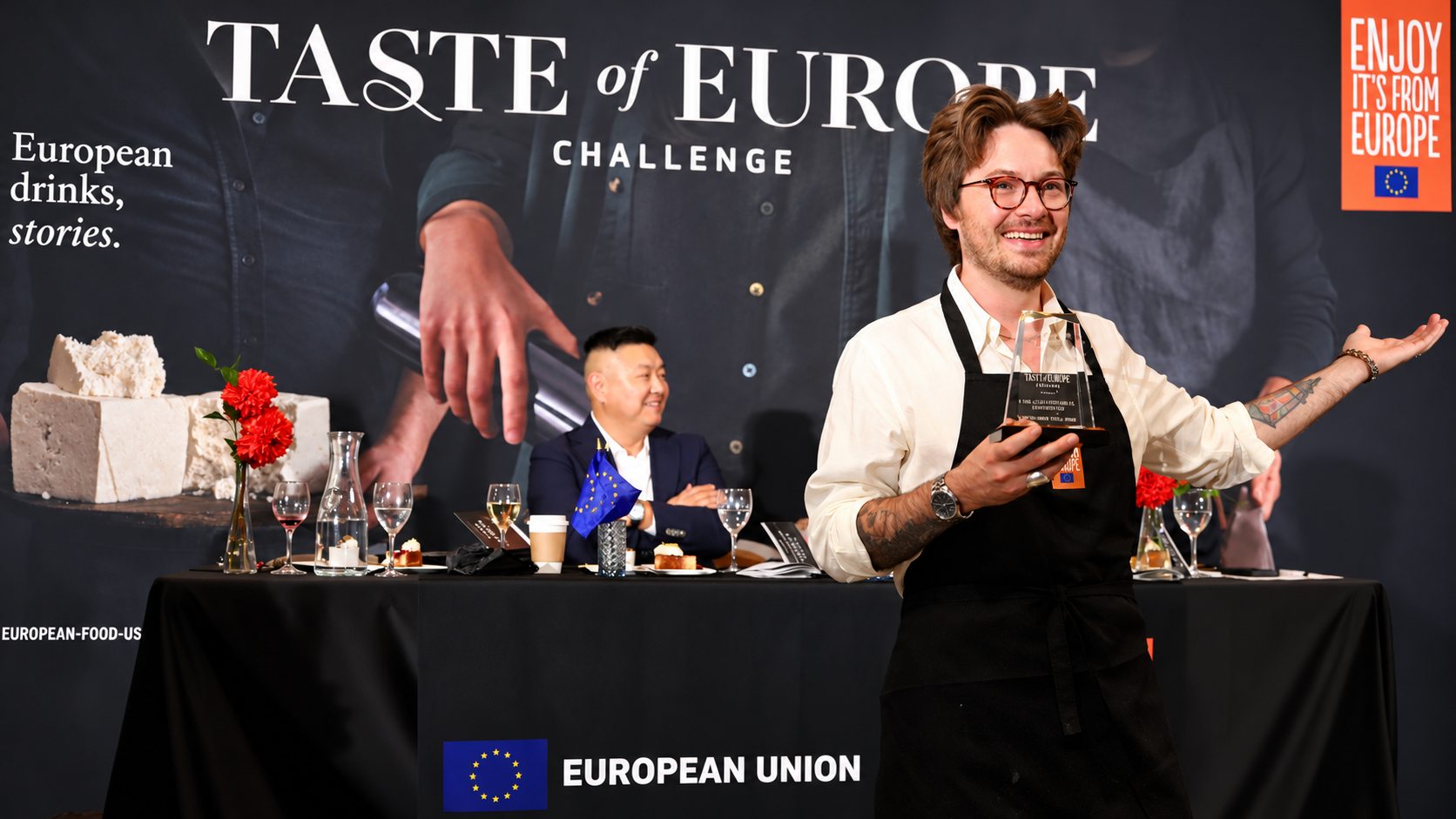
Meanwhile, just a few steps away, food media personalities Alexa Santos and Mishka Murphy were going head-to-head in a live cooking competition. The challenge unfolded over three culinary rounds, corresponding to our cheese, olive oil, and chocolate tastings. As we explored these ingredients, the contestants were busy transforming selections from the very same European products into their own original dishes.
And these weren't just dishes being made for fun. They were being judged by a panel featuring culinary and food media personalities Danny Garcia, Ilena Tovia, and Matthew Kang, alongside special jury member Nadia Loddo, Counselor for Agriculture at the Delegation of the European Union to the United States.
Bringing it all together was New York Times bestselling author Dan Pelosi, who summed up the spirit of the competition perfectly: "How an ingredient can define a dish."
As a cook myself, I've defined my style of cooking around that philosophy. Sometimes, great cooking isn't about doing more. It's about knowing when to do less and giving an exceptional ingredient the space to shine.
And with that idea setting the tone, we began our first tasting round:
CHEESE.
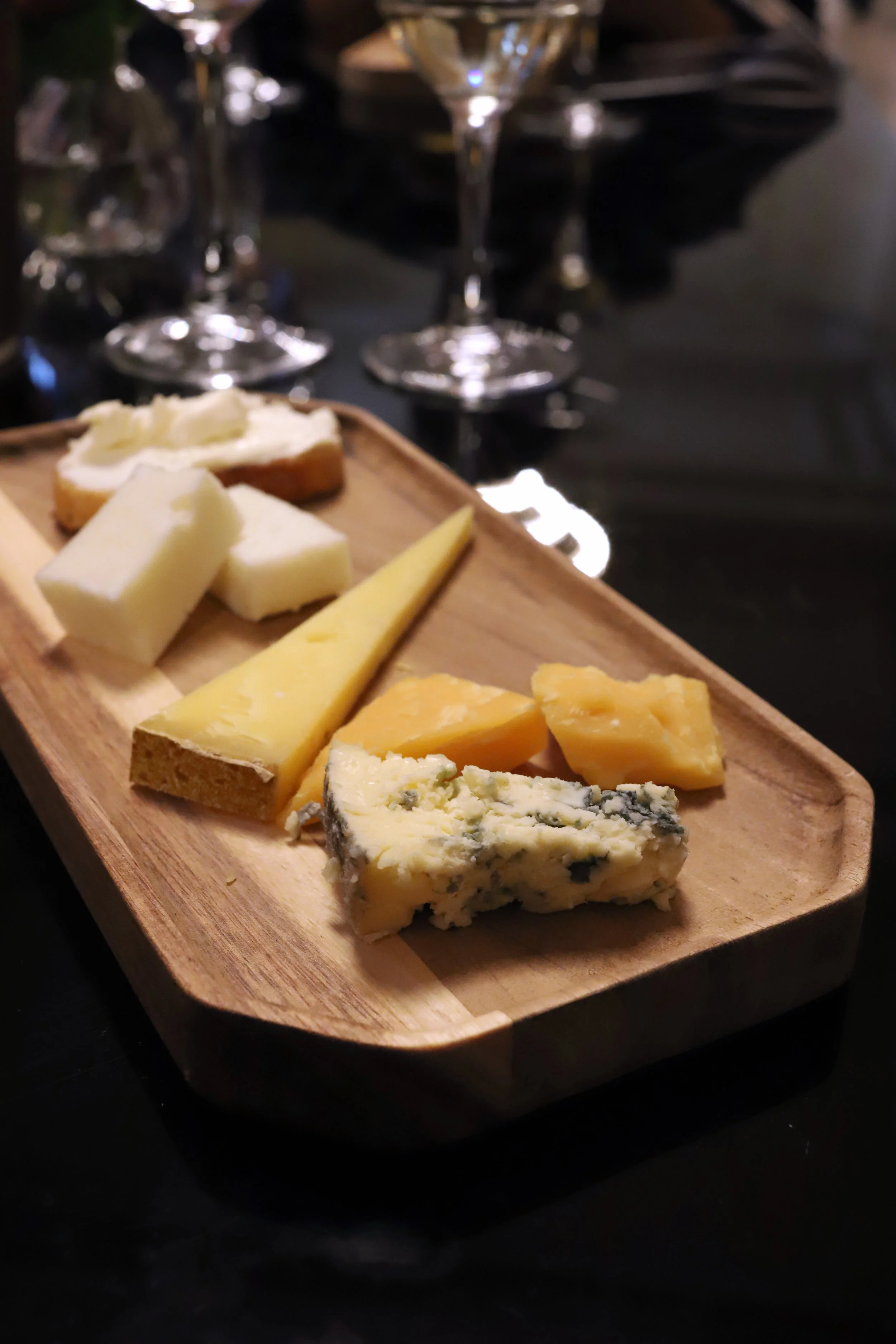
Cheesemonger and expert Joshua Santamaria opened our tasting with a quote from French gastronome Jean Anthelme Brillat-Savarin dating back to 1825: "Tell me what you eat, and I will tell you what you are."
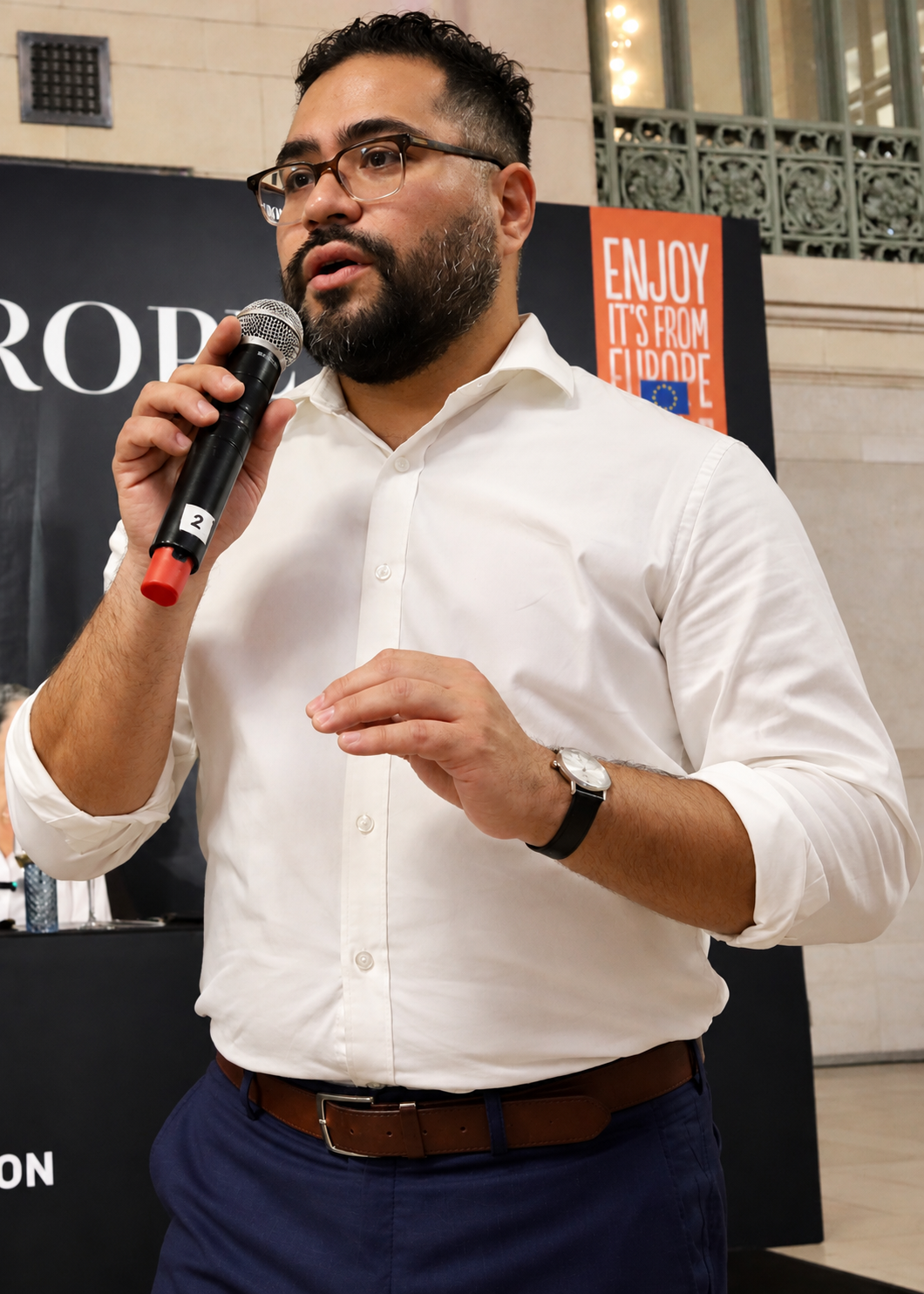
Fittingly, one of the five cheeses we'd be tasting was Brillat-Savarin PGI from France, a rich, creamy cow's milk cheese named after the very gastronome Joshua had just quoted. I loved that little connection.
From there, Joshua led us on a flavor journey through five distinct European cheeses, exploring how geography and farming practices influence what each one tastes like.
Now, if you know me, you very well know about my cheeseboard obsession. Give me literally any excuse to put one together, and I'm all in. So, needless to say, this tasting had me fully captivated.
There was the almost-too-easy-to-devour Χαλλούμι / Halloumi PDO from Cyprus, a young, springy cheese made with sheep's, goat's, or cow's milk. Then there was Wrångebäcksost PDO from Sweden, an organic cow's milk cheese that developed deliciously toasty, buttery, hazelnut-like notes thanks, in part, to being aged on wooden planks.
And then there was the Noord-Hollandse Gouda PDO from the Netherlands. I loved this, let's call it, fun fact. Joshua explained how the region's reclaimed marshlands produce nutrient-rich grasses for cows to graze on, contributing to a natural sweetness in their milk. Thank you, marshy grass! That sweetness becomes even more pronounced as the cheese ages. The Gouda (which we learned is pronounced more like "HOW-dah" in Dutch) we tasted had been aged for an impressive 48 months and had these incredible caramel and crème brûlée notes. When you try it, please let me know if you pick up on those flavors, too.
Then there's the Blue Cow's Milk Cheese from Ireland that I fell head over heels for. Honestly, I'm not sure if I was more taken by the flavors or the farming methods, but suffice it to say, the combination of the two made this cheese my favorite of the day. You see, as Joshua explained, the milk used to make this cheese comes from grass-fed cows within a 25-kilometer radius of the farm. Once the cheese is made, it goes into specially controlled aging rooms known as caves, where the wheels are regularly turned as they develop their characteristic blue veins and creamy texture. I love learning things like this. It's just so specific. There are so many little details that go into making something we might otherwise just pick up at the grocery store and slap onto a cheese board.
Wait. Then I tasted it.
This Irish blue cheese was so soft that when I picked up my wedge, it literally broke in half under its own weight. The texture was unbelievably creamy, and while the flavor was definitely bold, it wasn't one of those blue cheeses that completely takes over your mouth. It had personality without being overpowering (hmm… I think I'd describe myself the same way).
Another bit of Joshua's expert advice that I particularly appreciated was his take on pairing cheese with wine. When you find the right pairing, the two don't simply complement each other. They come together to create an entirely new, third flavor on your palate. A gestalt of sorts. Love!
You know I had to put that theory to the test… for this article, of course.
Then we moved on to tasting round two:
OLIVE OIL.
I've only sipped olive oil once or twice before, but now I realize I was doing it completely wrong. An unguided tasting can lead to, well, a pretty underwhelming experience. Thankfully, Isabella Cassell, an olive oil sommelier (side note, a job I love knowing exists), was there to correct all of that misguided, let's call it, youthful inexperience.
As she did, I'll start from the beginning…
As you can imagine, I use olive oil constantly. It's one of those ingredients that's always within arm's reach when I'm cooking. But before this tasting, I can't say I'd ever given it the same attention I might give a glass of wine. And while I've certainly been using olive oil in my cooking, I realized I haven't been properly celebrating the really good stuff. I'm talking about finishing oils. The ones that deserve a beautiful swirl over a bowl of pumpkin soup or their own little dipping dish nestled among some exciting cheeses on a cheeseboard. Not just something you cook with, but something you actually stop to experience.
Thanks to Isabella, I now have a few mental notes for future recipes (you're welcome in advance).
For starters, a little something I hadn't fully appreciated: not all olive oils earn the designation "extra virgin." To qualify, an olive oil has to meet strict standards, including passing a sensory assessment with no detectable defects, along with specific chemical requirements. In other words, it's not just about what an olive oil has going for it, but also what it doesn't.
Isabella also shared a few tips for choosing a quality olive oil. Three things worth remembering: Dark bottles help protect the oil from light, which can degrade its quality. Harvest dates matter because fresher is generally better. And if you're looking for cold-extracted olive oil, the temperature needs to stay below 27°C.
Love these tips! But the real revelation came when Isabella taught us how to taste it.
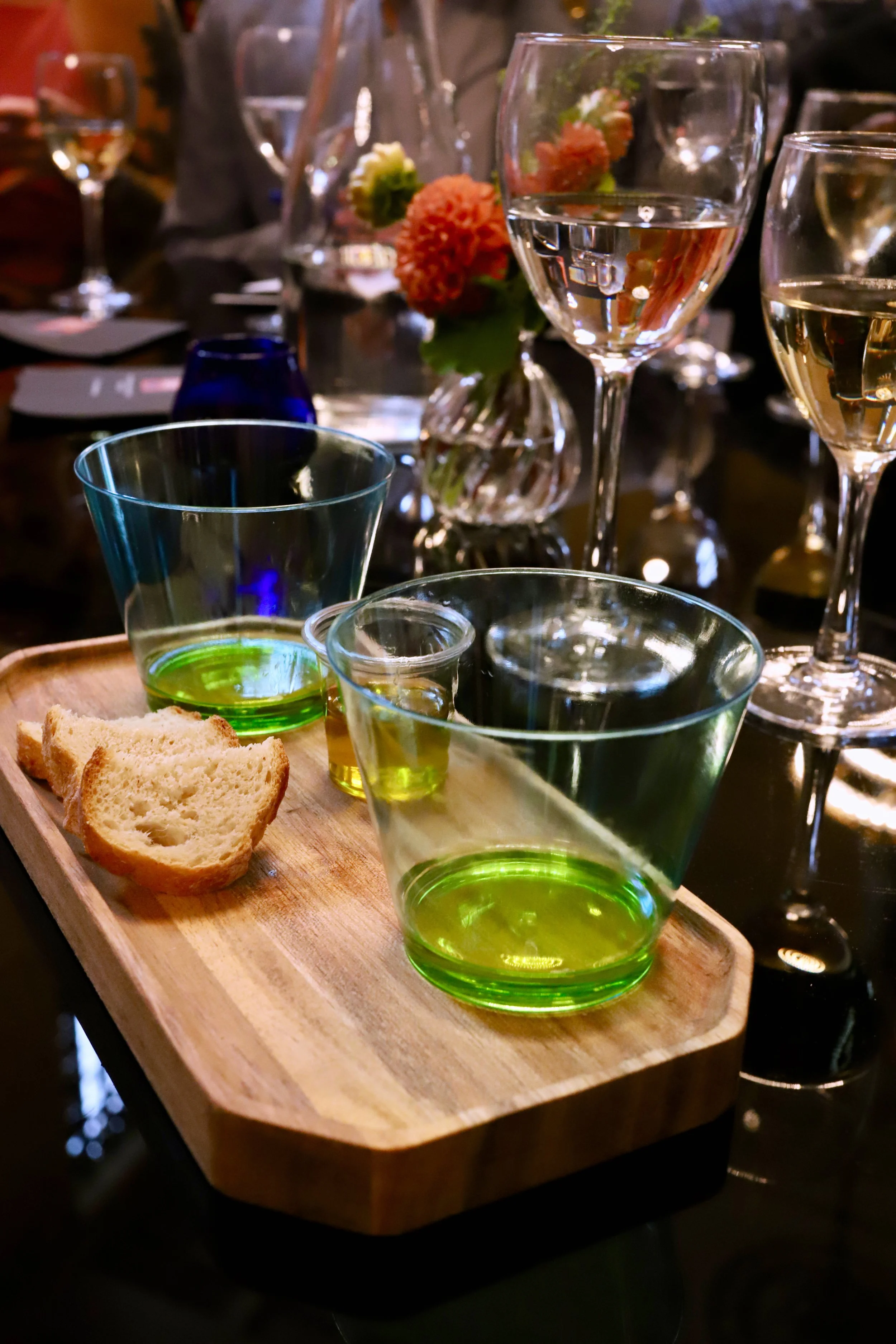
We warmed our little tasting cups in our hands to release the aromas, then sampled each oil while paying attention to three characteristics: fruitiness, bitterness, and pungency.
And that's when I experienced something new.
Each of the three olive oils delivered this distinct peppery sensation at the back of my throat. Maybe I'd never paid close enough attention before. Or maybe I'd simply never experienced olive oil quite like this. Either way, once Isabella pointed it out, it was undeniable. She explained that the sensation comes from naturally occurring compounds called polyphenols, and that this peppery finish can actually be a desirable characteristic of fresh, high-quality extra virgin olive oil.
Suddenly, something I might have overlooked became something I was actively looking for.
The three oils we sampled were Χανιά Κρήτης / Chania Kritis PGI from Greece, Toscano PGI from Italy, and Priego de Córdoba PDO, an organic extra virgin olive oil from southern Spain.
Of the three, the Spanish oil was my favorite. I loved its tomato-like flavor and the complexity that came from blending several olive varieties rather than using just one. Which, if you know my cooking, is a little unlike me. I'm usually all about letting a single ingredient shine. But here, the combination worked beautifully. It had this lovely fruitiness, followed by that peppery kick I'd just learned to appreciate.
What a difference a little education makes! I'd come in thinking of olive oil as something I already knew pretty well, and left with an entirely new appreciation for what makes the really good stuff special.
Needless to say, I'll be paying a lot more attention to the quality and characteristics of my olive oils from now on.
And then, onto dessert. Tasting round three:
CHOCOLATE.
Our final tasting was led by none other than “Mr. Chocolate” himself, Jacques Torres.
Now, Jacques and I have a little history.
Years ago, I attended an intimate, one-off baking class at The French Culinary Institute, where Jacques walked us step-by-step through making a decorative yule log Christmas cake. It was such a memorable experience that I was eager to learn from him again. His passion for chocolate is contagious, and there's something really special about learning from someone who so clearly loves what they do.
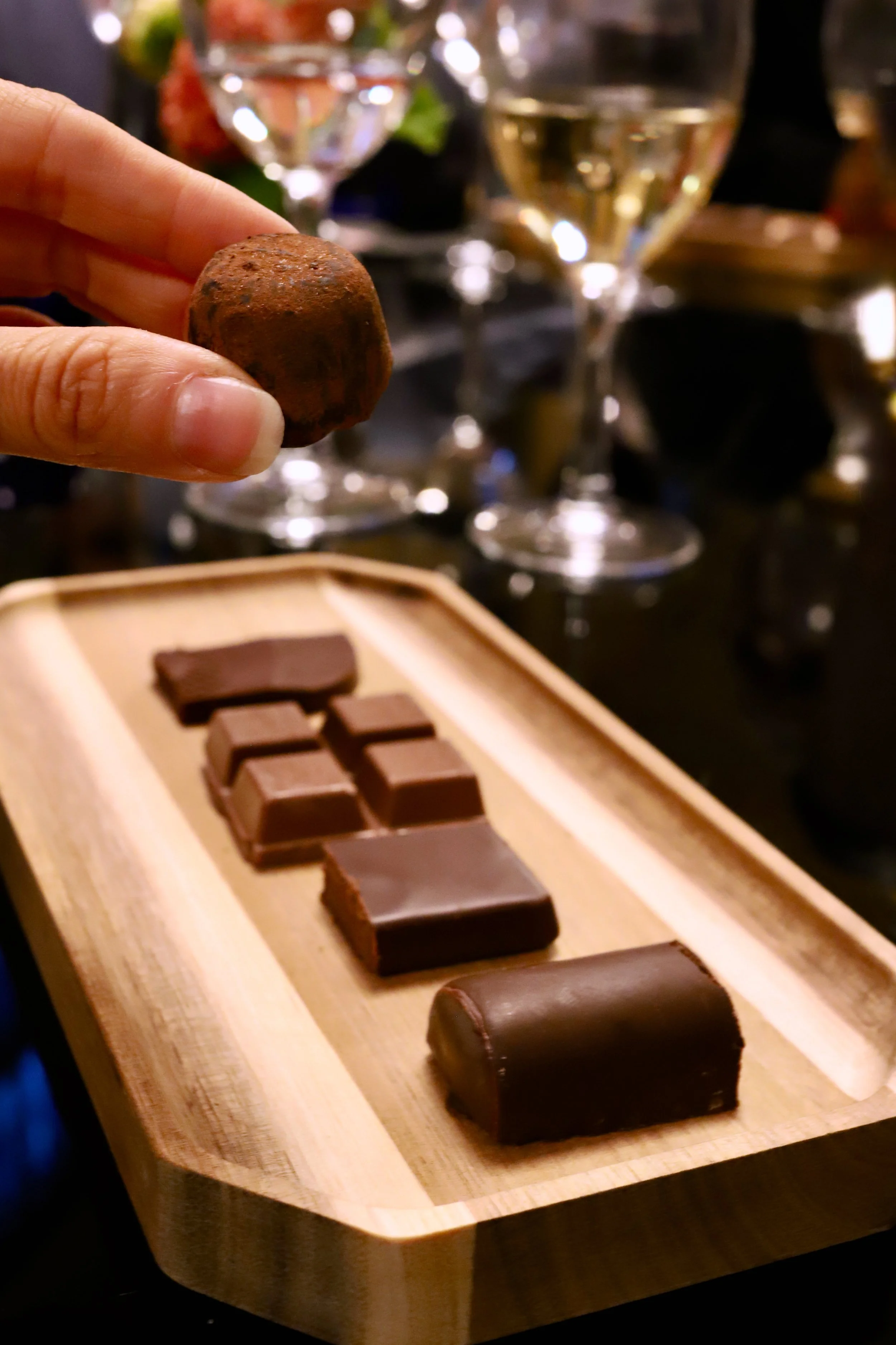
Before we started sampling chocolates (or, in my case, monstrously devouring them), Jacques took us through the chocolate-making process. We followed the journey from harvesting cacao pods and fermenting the beans to drying, roasting, grinding, and eventually combining ingredients to create the chocolate we know and love.
I'd heard some of this before, but I hadn't given much thought to how every little decision along the way could influence the final flavor. Even something as seemingly simple as roasting time can dramatically change how chocolate tastes. Obsessed.
But what really stuck with me was Jacques's tasting technique.
Rather than simply biting into a piece of chocolate and chewing it, he instructed us to take a small bite, press it against the roof of our mouths, and use our tongues to experience the texture as it slowly melted. Simple enough. But what a difference!
Now, considering this blog is called Coffee & Champagne, you might assume the Organic Dark Chocolate with Champagne from Austria would have been my favorite. (So, me too!) But two other chocolates completely stole the show…
First, the Dark Chocolate with Cola from Lithuania. And wow, was this fun! One bite and I was instantly transported back to being a kid in the '90s. You could actually taste the cola! The chocolate was infused with a combination of botanicals and spices that slowly revealed themselves as I let it melt in my mouth. Notes reminiscent of cinnamon and nutmeg started coming through, all wrapped up in this unmistakable cola flavor. It was nostalgic and playful, but also sophisticated in a way I wasn't expecting.
Then came the Cocoa Dusted Truffle from Belgium, which delivered an entirely different experience. This one was a textural masterpiece. The outside had this beautiful, powdery cocoa coating, followed by a delicate chocolate shell that gave way to an incredibly creamy center. Three distinctly different textures, all in one bite. And because I was following Jacques's instructions, pressing the truffle against the roof of my mouth, I could actually experience each layer individually as it melted. Deliciously genius!
Of everything I tasted that afternoon, this might have been the best example of how the way you eat something can be just as important as what you're eating.
You know that meme, “I was today years old when I learned…”? Well, apparently, I was today years old when I learned how to eat chocolate.
AND THE WINNER IS...
Of course, while we were busy tasting our way through Europe, Alexa and Mishka had been hard at work creating dishes inspired by the same ingredients we were discovering.
Three rounds. Cheese, olive oil, and chocolate. And a lot of creativity packed into each one.
What made the competition especially fun was that we weren't simply watching two people cook. We'd just experienced these ingredients ourselves, learning about their flavors, origins, and what made them so special. Watching them come together in entirely new dishes gave the whole experience another dimension.
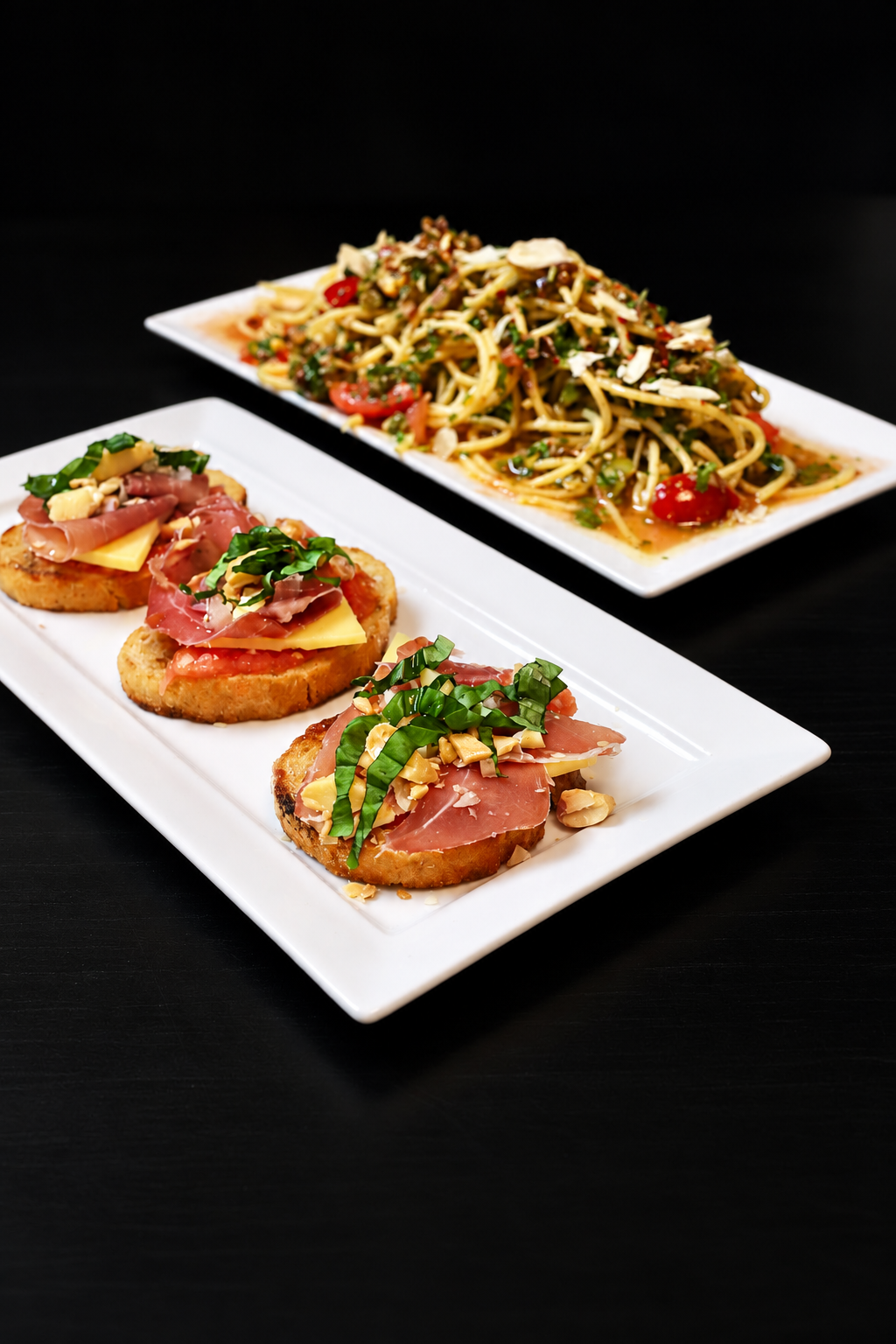
And when it came time to crown the winner, Mishka Murphy took home the Taste of Europe Challenge title! Between his signature bean dish featuring Noord-Hollandse Gouda PDO from the Netherlands, a grated tomato pasta showcasing Priego de Córdoba PDO extra virgin olive oil from Spain, and a French toast featuring Dark Chocolate with Cola from Lithuania, he proved just how beautifully exceptional European ingredients can define a dish.
A fitting finish to an afternoon built around Dan Pelosi's opening philosophy: sometimes, it's the ingredient that truly defines the dish.
THOSE LITTLE EU FOOD LABELS? THEY’RE A GAME CHANGER.
Throughout the afternoon, one thing kept coming up across all three tastings: the importance of where an ingredient comes from and how it's made.
You may have noticed the little PDO, PGI, or Organic labels on European products before. If you've read my previous article, How to Eat & Drink Like You're in Europe—Without Leaving America, you'll know I've talked about them. But after this afternoon, I have an even greater appreciation for what they represent.
And if you've ever come over to my home, eaten my cooking, and wondered why it was the best mouthful you've had to date (modest, I know), I'll let you in on a little secret. It's not necessarily that I did anything differently than you would. It's that I pay a lot of attention to the ingredients I'm using.
That's something I particularly appreciate about the European Union's approach to food. The emphasis on quality, traditions, sustainability, and authenticity is reflected in the standards behind these labels. And when I'm looking for ingredients with a specific origin or production tradition, you can believe I'm checking for them.
So, here's a quick cheat sheet.
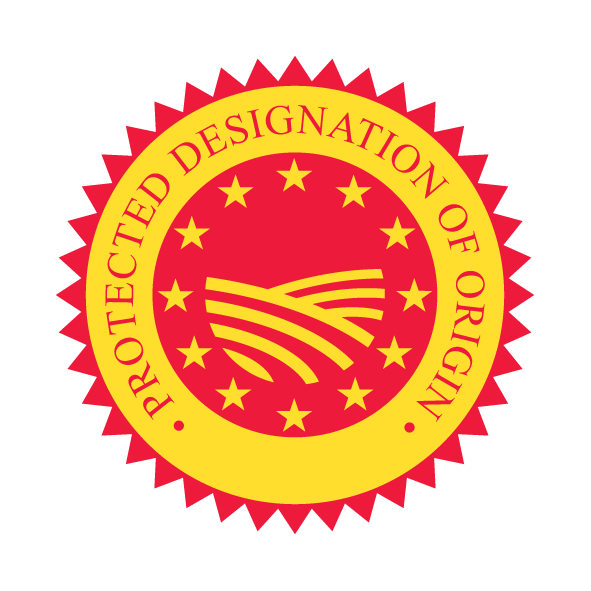
PDO (Protected Designation of Origin)
This means a product's qualities or characteristics are closely connected to a particular geographical region, and every stage of its production must take place there. Think of it as a product whose identity is inseparable from the place it comes from.
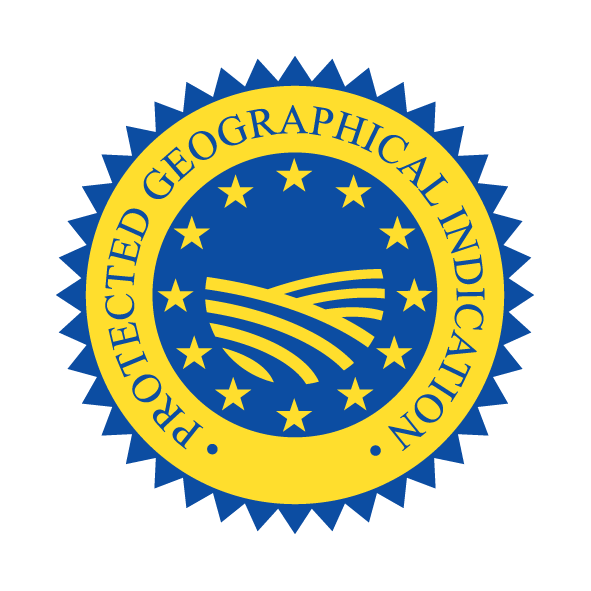
PGI (Protected Geographical Indication)
This one also links a product to a specific region, but it's a little more flexible. At least one stage of production must happen in the designated area, and the product's quality, reputation, or other characteristics must be linked to that origin.
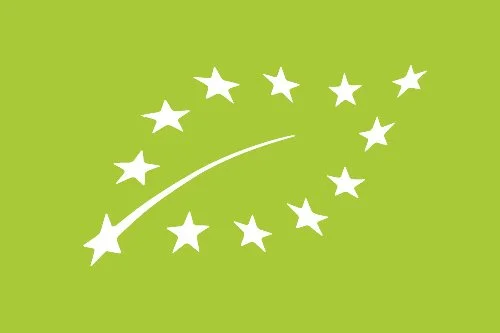
THE EU ORGANIC LABEL
That little green leaf made of stars means a product meets the European Union's organic production standards, which include requirements relating to farming practices, environmental protection, and animal welfare.
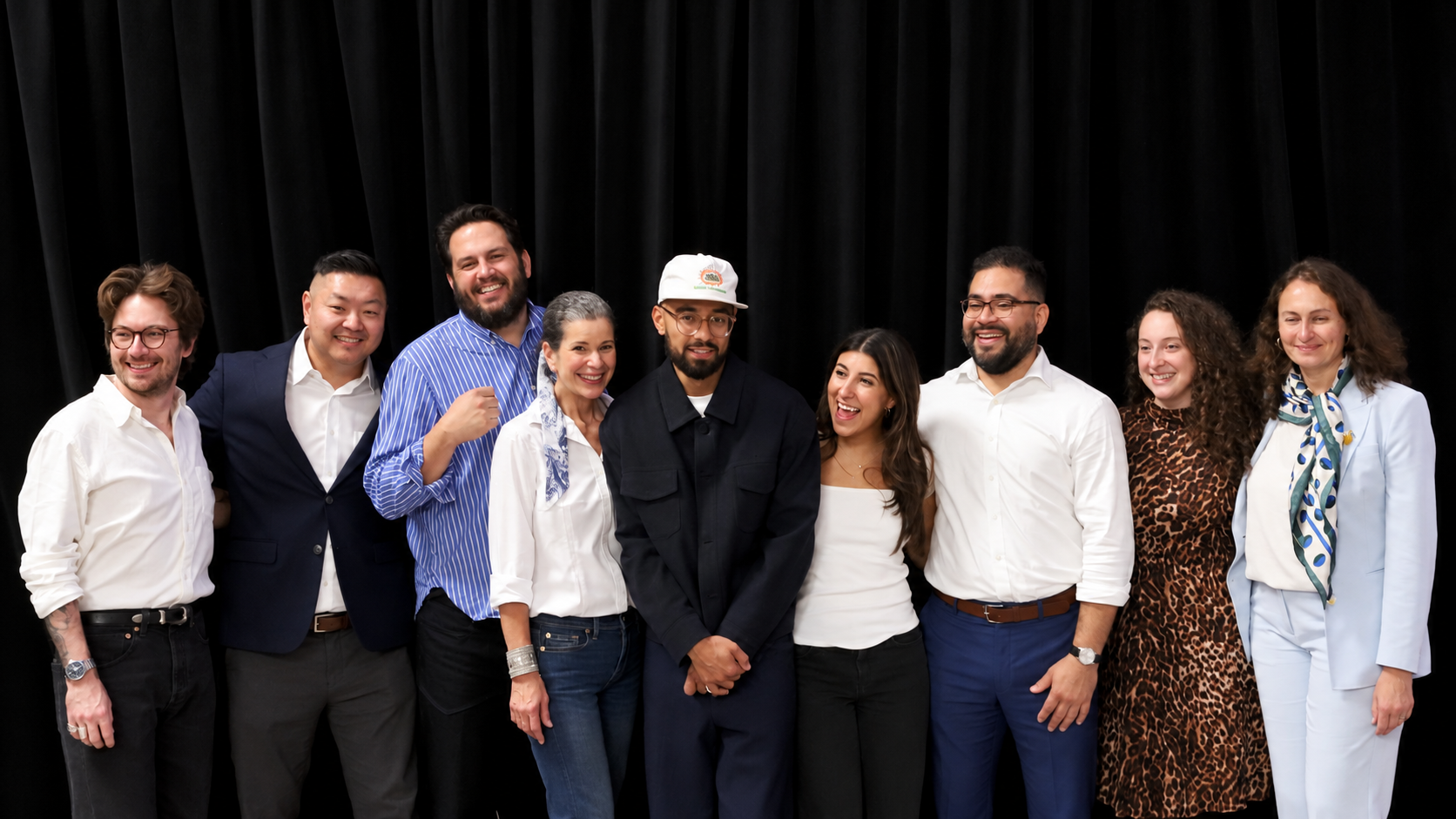
A LITTLE TASTE OF EUROPE = A LOT TO TAKE HOME.
As the event came to a close, I found myself thinking about how much more I'd taken away than a stomach full of delicious food. The stories, the traditions, and the generations of knowledge behind each ingredient reinforced my appreciation for what ends up on our plates.
I'm still taken by how fitting it was that we experienced all of this at Grand Central Terminal, a place where people from different cultures, backgrounds, and walks of life cross paths every day. Much like the food we shared, each person brings their own story to this iconic meeting place. And it's a beautiful reminder of something I've always loved about food: its ability to bring us together while connecting us to places and traditions far beyond our own.
And on this particular afternoon, Europe truly felt a whole lot closer to New York City.
The Taste of Europe Challenge was part of the European Union's "More than European Food and Drinks, Savoring Stories" campaign, celebrating the quality, safety, authenticity, and sustainability of European food and beverages.
To discover more European food stories, visit europa.eu/more-than-food-us and follow @morethanfoodUS.